
I'm preparing for
🎛️ Narrow down IT & Codingsubject · level · topic1▾
Results · 16 for “Understanding of HTTP/2”
← Front page✨ Smart search: matched by meaning, not just words

⚡ One HLD concept. 60 seconds. Interview ready
HTTP vs HTTPS: Understanding the Key Differences
HTTPS is a secure version of HTTP that encrypts data for safety.

⚡ One HLD concept. 60 seconds. Interview ready
Keep-Alive in Networking: Efficient HTTP Connections
Keep-Alive allows reusing HTTP connections to improve efficiency and reduce overhead.
⚡ One HLD concept. 60 seconds. Interview ready
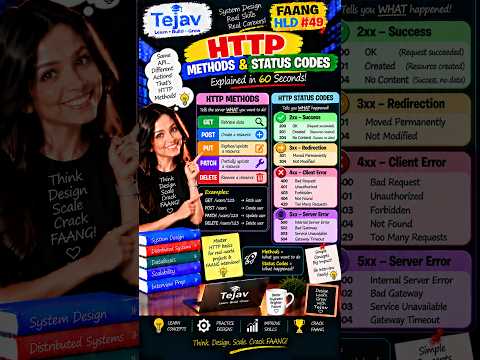
Understanding HTTP Methods and Status Codes
HTTP methods tell the server what to do, and status codes tell us the result.

⚡ One HLD concept. 60 seconds. Interview ready
Understanding the TLS Handshake in HTTPS Connections
The TLS handshake establishes a secure connection for HTTPS, ensuring data safety.
⚡ One HLD concept. 60 seconds. Interview ready
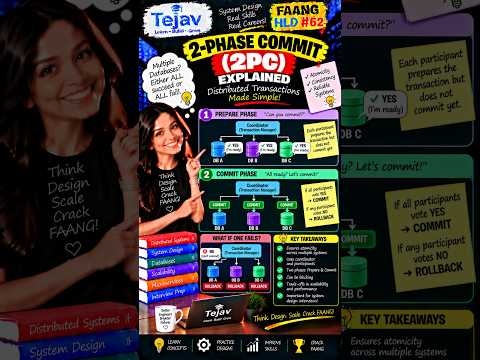
Understanding 2-Phase Commit in Distributed Transactions
2-Phase Commit helps maintain data consistency in transactions across multiple databases.
⚡ One HLD concept. 60 seconds. Interview ready
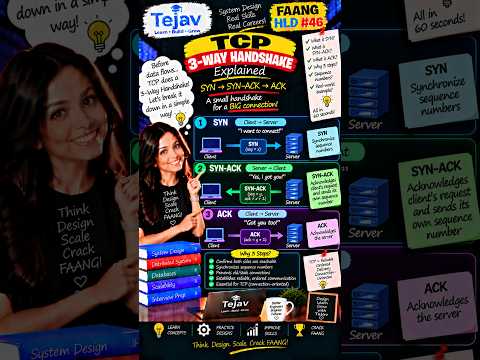
Understanding TCP 3-Way Handshake: SYN, SYN-ACK, ACK
The TCP 3-way handshake ensures reliable connection establishment between a client and server.

⚡ One HLD concept. 60 seconds. Interview ready
Understanding CDN: How Cache Hits Improve Performance
A CDN speeds up web applications by caching content closer to users.
⚡ One HLD concept. 60 seconds. Interview ready
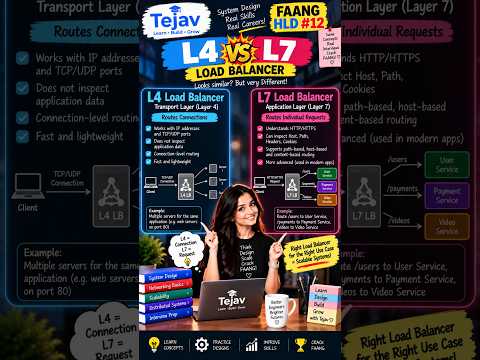
L4 vs L7 Load Balancers: Key Differences Explained
L4 and L7 load balancers differ in how they route network traffic based on layers of the OSI model.

⚡ One HLD concept. 60 seconds. Interview ready
Understanding gRPC Architecture: Behind the Call
gRPC allows efficient communication between services using a structured request-response model.

⚡ One HLD concept. 60 seconds. Interview ready
Token Bucket vs Leaky Bucket: Key Differences Explained
Token Bucket allows burst traffic, while Leaky Bucket smooths out traffic flow.
⚡ One HLD concept. 60 seconds. Interview ready
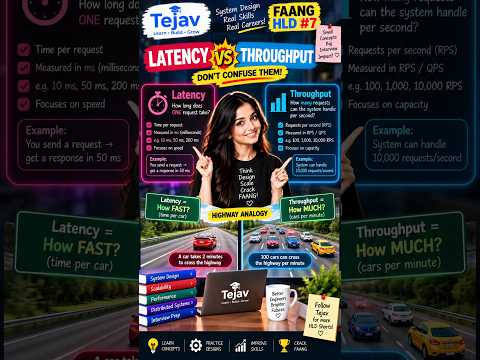
Understanding Latency and Throughput in System Design
Latency is the time for one request, while throughput is how many requests are processed.

⚡ One HLD concept. 60 seconds. Interview ready
Understanding Load Balancers in System Design
Load balancers distribute traffic across multiple servers to enhance performance and reliability.

⚡ One HLD concept. 60 seconds. Interview ready
Understanding DNS Resolution: How URLs Load in Browsers
DNS resolution translates a URL into an IP address for web access.

⚡ One HLD concept. 60 seconds. Interview ready
Stateless vs Stateful Servers: Scaling Made Easy
Stateless servers are easier to scale because they don't store user session data locally.
⚡ One HLD concept. 60 seconds. Interview ready
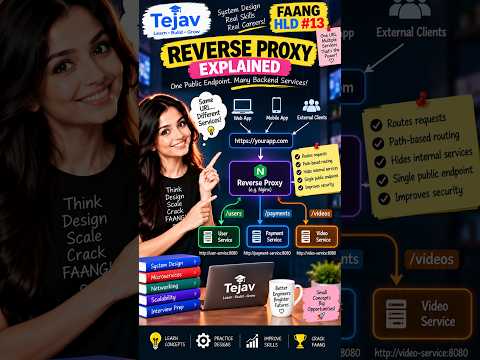
Understanding Reverse Proxy in High-Level Design
A reverse proxy routes client requests to different backend services efficiently.

⚡ One HLD concept. 60 seconds. Interview ready
Understanding Unary vs Streaming RPC in gRPC
gRPC supports four communication patterns: Unary, Server Streaming, Client Streaming, and Bidirectional Streaming.