
I'm preparing for
Topic · IT & Coding
system design
116 shorts across 1 course, in learning order
🎛️ Narrow down IT & Codingsubject · level · topic1▾
Results · 40 for “Basic server architecture”
← Front page✨ Smart search: matched by meaning, not just words

⚡ One HLD concept. 60 seconds. Interview ready
Understanding Load Balancers in System Design
Load balancers distribute traffic across multiple servers to enhance performance and reliability.

⚡ One HLD concept. 60 seconds. Interview ready
API Gateway vs Proxy vs Load Balancer: Key Differences
API Gateway, Proxy, and Load Balancer serve different roles in managing requests and traffic in systems.

⚡ One HLD concept. 60 seconds. Interview ready
Understanding Vertical and Horizontal Scaling in System Design
Vertical scaling means upgrading one server, while horizontal scaling means adding more servers.

⚡ One HLD concept. 60 seconds. Interview ready
Monolith vs Microservices: Choosing the Right Architecture
Monolithic and microservices architectures each have unique advantages and challenges for software development.

⚡ One HLD concept. 60 seconds. Interview ready
Understanding Database per Service in Microservices Architecture
Database per Service ensures each microservice owns its data, reducing dependencies.
⚡ One HLD concept. 60 seconds. Interview ready
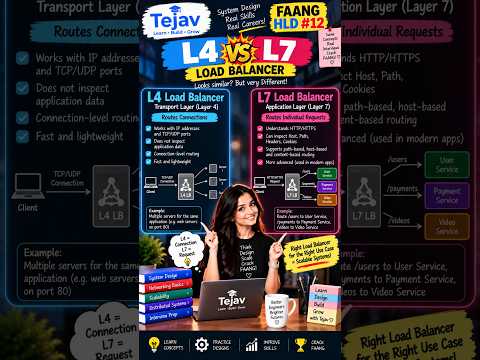
L4 vs L7 Load Balancers: Key Differences Explained
L4 and L7 load balancers differ in how they route network traffic based on layers of the OSI model.
⚡ One HLD concept. 60 seconds. Interview ready
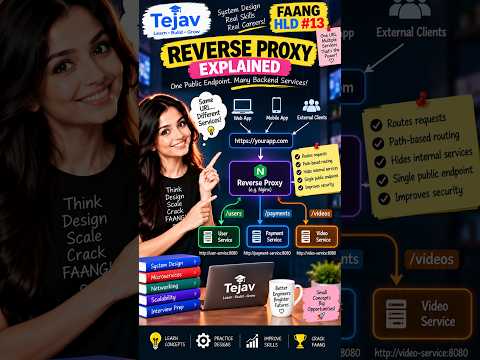
Understanding Reverse Proxy in High-Level Design
A reverse proxy routes client requests to different backend services efficiently.

⚡ One HLD concept. 60 seconds. Interview ready
Choosing Service Boundaries in Microservices Architecture
Choosing the right boundaries for microservices is crucial for effective architecture.

⚡ One HLD concept. 60 seconds. Interview ready
Distributed Caching: Why Spread It Out?
Distributed caching spreads data across multiple servers for better performance and reliability.

⚡ One HLD concept. 60 seconds. Interview ready
HLD: Microservices vs Modular Monolith Explained
Microservices and modular monoliths differ mainly in deployment and communication methods.
⚡ One HLD concept. 60 seconds. Interview ready
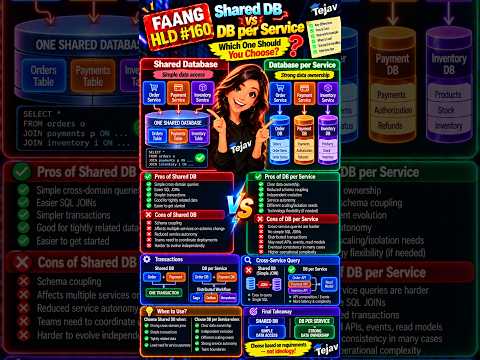
HLD: Shared DB vs Database per Service Trade-Offs
Choosing between a shared database and a database per service affects system design significantly.

⚡ One HLD concept. 60 seconds. Interview ready
Understanding Network Partitions in Distributed Systems
Network partitions occur when servers are operational but can't communicate, affecting system performance.

⚡ One HLD concept. 60 seconds. Interview ready
HLD: Search Engine Architecture and Its Components
Search engines collect, index, retrieve, and rank documents to provide relevant results.

⚡ One HLD concept. 60 seconds. Interview ready
HLD: 5 Microservices Communication Patterns Explained
Microservices can communicate using five key patterns based on their needs.

⚡ One HLD concept. 60 seconds. Interview ready
Understanding TCP 3-Way Handshake: SYN, SYN-ACK, ACK
The TCP 3-way handshake ensures reliable connection establishment between a client and server.

⚡ One HLD concept. 60 seconds. Interview ready
HLD: Understanding REST, RPC, and gRPC Differences
REST, RPC, and gRPC are different methods for communication in software systems.

⚡ One HLD concept. 60 seconds. Interview ready
Distributed Locks: Preventing Duplicate Work Across Servers
Distributed locks ensure only one server performs a task, avoiding duplication.

⚡ One HLD concept. 60 seconds. Interview ready
HLD: Understanding Server Failure Detection and Timeouts
Timeouts in distributed systems indicate suspicion, not confirmed failure.

⚡ One HLD concept. 60 seconds. Interview ready
REST API Design: Building Scalable APIs for Real-World Use
REST API design focuses on creating clean, efficient, and scalable web services.

⚡ One HLD concept. 60 seconds. Interview ready
When to Use Microservices in Software Design
Microservices are useful when you need independent scaling, deployment, and clear boundaries in software design.

⚡ One HLD concept. 60 seconds. Interview ready
Understanding the Bulkhead Pattern in System Design
The Bulkhead Pattern isolates resources to protect critical workloads from failures.

⚡ One HLD concept. 60 seconds. Interview ready
API Gateway: The Front Door of Your System
An API Gateway simplifies client access to backend services in microservices.

⚡ One HLD concept. 60 seconds. Interview ready
Understanding Message Queues in Distributed Systems
Message queues allow services to communicate asynchronously, improving scalability and reliability.

⚡ One HLD concept. 60 seconds. Interview ready
Understanding Database Replication in High-Level Design
Database replication enhances data availability and read performance but has challenges like replication lag.

⚡ One HLD concept. 60 seconds. Interview ready
Redis: Why Is It So Fast for High-Scale Systems?
Redis is a fast in-memory data store used for caching and low-latency applications.

⚡ One HLD concept. 60 seconds. Interview ready
Understanding Sharding: How Databases Manage Large Data
Sharding splits databases into smaller parts to improve performance and scalability.

⚡ One HLD concept. 60 seconds. Interview ready
Distributed Backpressure: Managing Service Overload
Distributed backpressure helps manage the flow of work between services to prevent overload.

⚡ One HLD concept. 60 seconds. Interview ready
Graceful Degradation in System Design
Graceful degradation allows apps to function partially during service failures.

⚡ One HLD concept. 60 seconds. Interview ready
Queue vs Pub/Sub: Key Differences in System Design
Queues distribute tasks to one consumer, while Pub/Sub broadcasts events to multiple subscribers.

⚡ One HLD concept. 60 seconds. Interview ready
Failover and Split-Brain in High-Level Design
Failover ensures systems remain operational by managing leader changes during failures.

⚡ One HLD concept. 60 seconds. Interview ready
Understanding DNS Resolution: How URLs Load in Browsers
DNS resolution translates a URL into an IP address for web access.

⚡ One HLD concept. 60 seconds. Interview ready
SQL vs NoSQL: Choosing the Right Database for Your Needs
The choice between SQL and NoSQL databases depends on your application's specific needs.

⚡ One HLD concept. 60 seconds. Interview ready
Identifying and Optimizing Database Bottlenecks
Database bottlenecks slow down performance, but identifying them helps optimize and scale effectively.

⚡ One HLD concept. 60 seconds. Interview ready
Understanding CAP Theorem: Trade-offs in Distributed Systems
The CAP Theorem explains the trade-offs in distributed systems during network failures.

⚡ One HLD concept. 60 seconds. Interview ready
Leader Election in Distributed Systems Explained
Leader election helps distributed systems select one coordinator from many nodes.

⚡ One HLD concept. 60 seconds. Interview ready
Transactional Outbox Pattern: Never Lose Events!
The Transactional Outbox Pattern ensures database updates and event publishing are synchronized to avoid losing events.
⚡ One HLD concept. 60 seconds. Interview ready
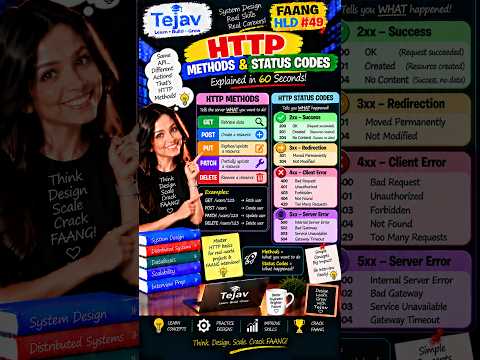
Understanding HTTP Methods and Status Codes
HTTP methods tell the server what to do, and status codes tell us the result.

⚡ One HLD concept. 60 seconds. Interview ready
Token Bucket Rate Limiting Explained for Interviews
The Token Bucket algorithm helps manage how many requests a server can handle.

⚡ One HLD concept. 60 seconds. Interview ready
Understanding CDN: How Cache Hits Improve Performance
A CDN speeds up web applications by caching content closer to users.

⚡ One HLD concept. 60 seconds. Interview ready
HLD: Crash Failures vs Network Failures in Distributed Systems
Crash failures stop a service, while network failures disrupt communication.
🧠Related by meaning
Not tagged “system design”, but closely connected

