
I'm preparing for
🎛️ Narrow downsubject · level · topic1▾
Results · 34 for “Database Replication”
← Front page✨ Smart search: matched by meaning, not just words

⚡ One HLD concept. 60 seconds. Interview ready
Database Replication: Scale and Survive Failures
Database replication helps keep data available and allows systems to handle more read requests.

⚡ One HLD concept. 60 seconds. Interview ready
Understanding Database Replication in High-Level Design
Database replication enhances data availability and read performance but has challenges like replication lag.

⚡ One HLD concept. 60 seconds. Interview ready
Sync vs Async Replication: Choosing the Right Approach
Synchronous replication waits for confirmation from replicas, while asynchronous allows faster writes without waiting.

⚡ One HLD concept. 60 seconds. Interview ready
Log Replication and Majority Commit in Distributed Systems
Log replication ensures data consistency by requiring majority acknowledgment before committing changes.

⚡ One HLD concept. 60 seconds. Interview ready
Understanding Read Replicas in Database Scaling
Read replicas allow databases to handle more read requests by distributing them across multiple copies.

⚡ One HLD concept. 60 seconds. Interview ready
Kafka Replication and ISR: Ensuring Data Availability
Kafka uses replication and in-sync replicas to ensure data is always available.

⚡ One HLD concept. 60 seconds. Interview ready
Elasticsearch Shards vs Replicas: Partitioning vs Duplication
Primary shards partition data, while replica shards duplicate it for redundancy.

⚡ One HLD concept. 60 seconds. Interview ready
Understanding Elasticsearch Snapshots: Replicas vs Backups
Replicas keep your system available, while snapshots allow for data recovery.

⚡ One HLD concept. 60 seconds. Interview ready
Transactional Outbox Pattern: Never Lose Events!
The Transactional Outbox Pattern ensures database updates and event publishing are synchronized to avoid losing events.

⚡ One HLD concept. 60 seconds. Interview ready
Understanding Elasticsearch Cross-Cluster Replication (CCR)
Elasticsearch CCR allows real-time data replication for faster disaster recovery.

⚡ One HLD concept. 60 seconds. Interview ready
Distributed Locks: Preventing Duplicate Work Across Servers
Distributed locks ensure only one server performs a task, avoiding duplication.

⚡ One HLD concept. 60 seconds. Interview ready
Read-After-Write Consistency in Database Systems
Read-after-write consistency ensures users see their latest updates immediately.
⚡ One HLD concept. 60 seconds. Interview ready
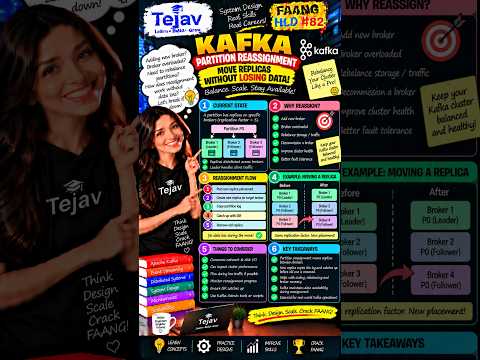
Kafka Partition Reassignment: Move Replicas Without Data Loss
Kafka Partition Reassignment moves replicas between brokers while keeping data safe.

⚡ One HLD concept. 60 seconds. Interview ready
Understanding Database per Service in Microservices Architecture
Database per Service ensures each microservice owns its data, reducing dependencies.

⚡ One HLD concept. 60 seconds. Interview ready
Understanding Consistency Models in Distributed Systems
Consistency models determine what data reads in distributed systems can see.
⚡ One HLD concept. 60 seconds. Interview ready
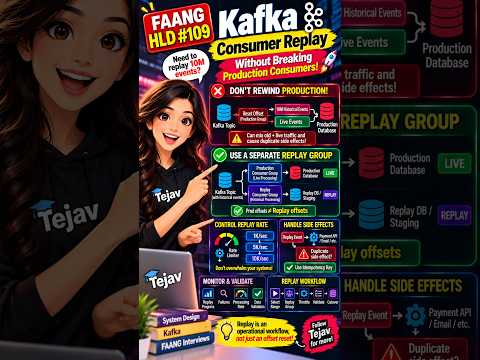
Kafka Replay Without Breaking Production: Safe Architecture
You can replay Kafka events safely by separating live and replay processes.

⚡ One HLD concept. 60 seconds. Interview ready
Read vs Write Scaling: How to Scale Databases
Scaling databases involves deciding whether to enhance read or write capabilities based on traffic patterns.

⚡ One HLD concept. 60 seconds. Interview ready
Understanding Elasticsearch Shards and Replicas in HLD
Elasticsearch uses shards for data distribution and replicas for redundancy.

⚡ One HLD concept. 60 seconds. Interview ready
Elasticsearch Split Brain: Master Election and Quorum Explained
Elasticsearch uses master election and quorum to prevent split brain scenarios.
⚡ One HLD concept. 60 seconds. Interview ready
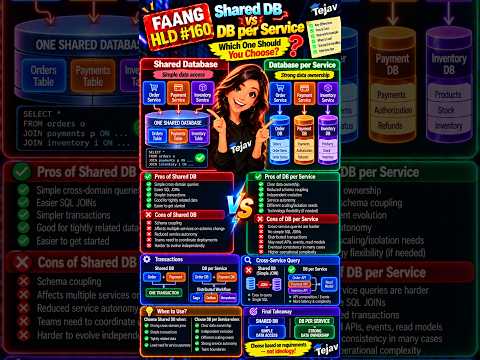
HLD: Shared DB vs Database per Service Trade-Offs
Choosing between a shared database and a database per service affects system design significantly.

⚡ One HLD concept. 60 seconds. Interview ready
Understanding Quorum Reads in Distributed Systems
Quorum Reads ensure data consistency by querying multiple replicas in distributed systems.

⚡ One HLD concept. 60 seconds. Interview ready
Understanding Raft Log Replication: matchIndex vs commitIndex
matchIndex tracks what each follower has, while commitIndex shows what is committed.
⚡ One HLD concept. 60 seconds. Interview ready
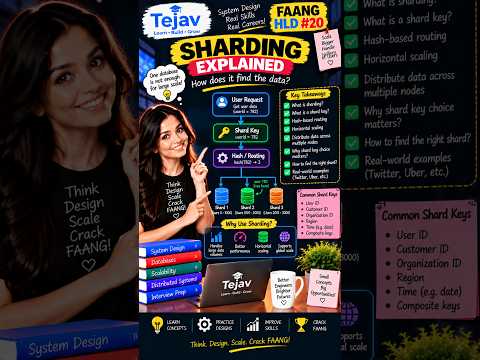
Understanding Sharding: How Databases Manage Large Data
Sharding splits databases into smaller parts to improve performance and scalability.

⚡ One HLD concept. 60 seconds. Interview ready
Kafka Exactly-Once Processing: Avoiding Duplicates
Kafka can help ensure messages are processed once, but requires careful design.

⚡ One HLD concept. 60 seconds. Interview ready
Identifying and Optimizing Database Bottlenecks
Database bottlenecks slow down performance, but identifying them helps optimize and scale effectively.

⚡ One HLD concept. 60 seconds. Interview ready
Kafka Rebalance: Avoiding Work Loss or Duplication
Kafka rebalance can lead to lost or duplicated work if not handled carefully.

⚡ One HLD concept. 60 seconds. Interview ready
Kafka Consumer Reprocessing: Safe Event Replay Strategies
Kafka consumer reprocessing involves safely replaying events to correct system states.

⚡ One HLD concept. 60 seconds. Interview ready
Failover and Split-Brain in High-Level Design
Failover ensures systems remain operational by managing leader changes during failures.

⚡ One HLD concept. 60 seconds. Interview ready
Understanding Database Isolation Levels in Software Engineering
Database isolation levels determine how transactions interact and affect data consistency.
⚡ One HLD concept. 60 seconds. Interview ready
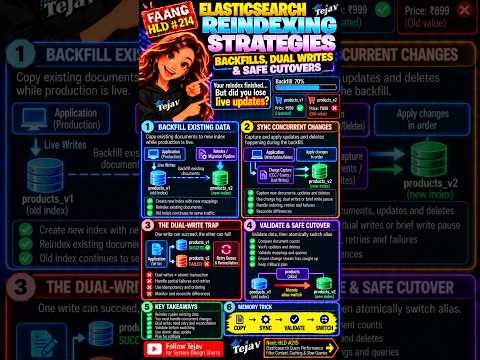
Elasticsearch Reindexing: Understanding the Dual-Write Trap
The dual-write trap in Elasticsearch can cause data inconsistency during reindexing.
⚡ One HLD concept. 60 seconds. Interview ready
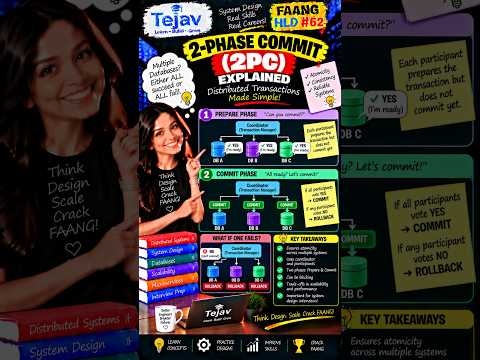
Understanding 2-Phase Commit in Distributed Transactions
2-Phase Commit helps maintain data consistency in transactions across multiple databases.

⚡ One HLD concept. 60 seconds. Interview ready
Understanding Write-Ahead Log (WAL) in Databases
Write-Ahead Log ensures data is safely recorded before changes are made.

⚡ One HLD concept. 60 seconds. Interview ready
Kafka Schema Evolution: Changing Schemas Without Breaking Consumers
Kafka Schema Evolution allows safe changes to message structures without breaking existing consumers.

⚡ One HLD concept. 60 seconds. Interview ready
SQL vs NoSQL: Choosing the Right Database for Your Needs
The choice between SQL and NoSQL databases depends on your application's specific needs.